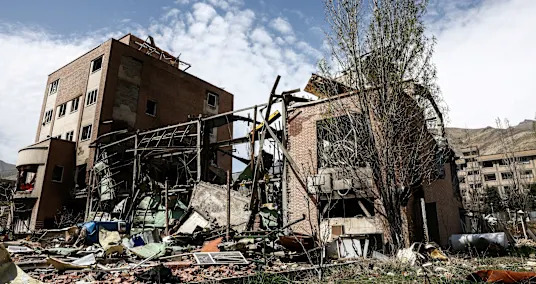
In Tehran, a city of nine million people, schools are closed, businesses are shuttered or struggling, and locals are living without a functioning air-raid warning system or public shelters. In many areas, the first sign of an incoming strike is the explosion itself.
There have been twice as many US and Israeli attacks on Iran compared to the number of Iranian retaliatory strikes since the war began — and the numbers killed in Iran have been orders of magnitude greater than in the neighboring Gulf states. A nationwide internet blackout, now entering its second month, has left civilians unable to access information about safety, shelter, and food and has meant some are unable to work. But while millions have fled Iran’s cities, many more are staying where they are. Some residents are hoping the US and Israeli bombs will cause the regime to collapse; others are left wondering if they are at risk if their neighbors are targeted.
For the many Iranians with ties to Dubai, there are other pressures, with Iranian nationals now barred from entering or transiting through the UAE. Residency permits, even for those with long-term Golden Visas, are reportedly being revoked without notice.

LATEST POSTS
- 1
 Jeff Bezos’ Blue Origin launches landmark Mars mission in New Glenn rocket’s first big test
 - 2The most effective method to Shake Hands During a Pandemic: Wellbeing Tips and Behavior
- 3New dinosaur tracks in Italy illustrate herds moving in unison
- 4Industrial zone damaged in Negev, falls in Sharon area after Iran fires missiles towards Israel
- 5Believe Should Unwind? Look at These Scaled down Games


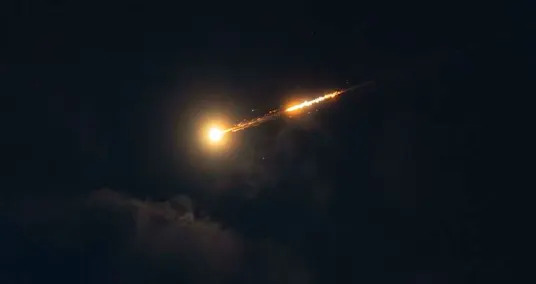

- Israel Police arrest twenty-one as anti-war protests grow despite broad support for Iran war
- US measles cases surpass 2,000, highest in 30 years: CDC
- Struggling to keep your New Year's resolutions? Here's how to keep yourself on track
- Slovakia rejects EU call to scrap higher fuel prices for foreign cars
- The Effect of Online Organizations on Society: Beating the Difficulties
- Fundamental Home Exercise center Hardware: Amplify Your Exercises
- Figure out How to Establish a long term connection with Your Handshake
- Best Food Truck Cooking: Decision in favor of Your Number one!
- Israel halts defense sales to France, citing 'hostile attitude,' sources tell 'Post'