The U.S. has surpassed 2,000 measles cases for the first time in more than 30 years, according to data from the Centers for Disease Control and Prevention.
As of Dec. 23, a total of 2,012 cases have been reported in the U.S. Of those cases, 24 were reported among international visitors to the U.S.
States with confirmed cases include Alabama, Alaska, Arizona, Arkansas, California, Colorado, Connecticut, Florida, Georgia, Hawaii, Idaho, Illinois, Indiana, Iowa, Kansas, Kentucky, Louisiana, Maryland, Michigan, Minnesota, Missouri, Montana, Nebraska, Nevada, New Jersey, New Mexico, New York, North Dakota, Ohio, Oklahoma, Oregon, Pennsylvania, Rhode Island, South Carolina, South Dakota, Tennessee, Texas, Utah, Vermont, Virginia, Washington, Wisconsin and Wyoming.
Is the US at risk of losing its measles elimination status?
The last time the U.S. recorded more than 2,000 cases occurred in 1992, when there were 2,126 confirmed infections over the course of a year, CDC data shows.
The CDC says 11% of measles patients in the U.S. this year have been hospitalized, over half of whom are under age 19.

Among the nationally confirmed cases, the CDC says about 93% are among people who are unvaccinated or whose vaccination status is unknown.
Meanwhile, 3% of cases are among those who have received just one dose of the measles, mumps, rubella (MMR) vaccine and 4% of cases are among those who received the recommended two doses, according to the CDC.
There have been 50 outbreaks reported across the U.S. in 2025, CDC data shows. By comparison, 16 outbreaks were reported during 2024.
There have been several high-profile measles outbreaks this year, including an ongoing outbreak in South Carolina.
South Carolinas department of public heath reports that 179 cases have been confirmed as of Dec. 30 with the most cases (176) around Spartanburg County, which sits on the border with North Carolina.
Amid growing Texas outbreak, how contagious is measles?
Over the course of the outbreak, hundreds of students have been forced to quarantine at home due to outbreaks at their schools.
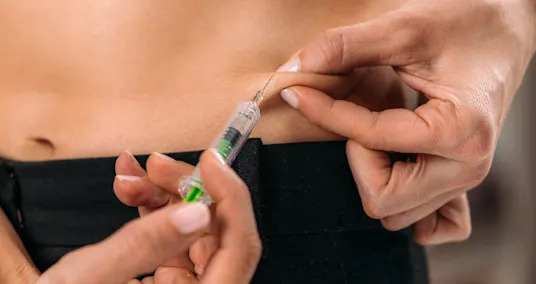
The CDC currently recommends that people receive two doses of the MMR vaccine, the first at ages 12 to 15 months and the second between 4 and 6 years old. One dose is 93% effective, and two doses are 97% effective against measles, the CDC says.
However, CDC data shows vaccination rates have been lagging in recent years. During the 2024-2025 school year, 92.5% of kindergartners received the MMR vaccine, according to data. This is lower than the 92.7% seen the previous school year and the 95.2% seen in the 2019-2020 school year, prior to the COVID-19 pandemic.
LATEST POSTS
- 1
 The 10 Most Famous Style Minutes on Honorary pathway
- 2‘Trip of suffering’: Gaza evacuee details 24-hour journey to South Africa
- 3Eight Muslim nations condemn Israel's 'dangerous' new death penalty law
- 4NASA Artemis II tracker: Where is the Orion now and when will it reach the moon?
- 56 Web-based Course Stages for Successful Learning and Educating





- New York to require social media platforms to display mental health warnings
- What to know about the "wild, wild West" of viral peptide claims
- Instructions to Warmly greet Certainty and Appeal
- Steven Spielberg's 'Disclosure Day' trailer drops: What we know about the alien movie
- Red Crescent: More than 100,000 civilian structures damaged in Iran
- Falcon 9 rocket launches Starlink satellites before making 550th SpaceX landing (video)
- Palestinians reel under winter rains as Israel blocks Gaza shelter supplies
- This Week In Space podcast: Episode 187 — An Inspired Enterprise
- German mid-sized firms gloomy on outlook, survey finds