
MOSCOW (Reuters) -A Russian Soyuz MS-28 spacecraft with two Russian cosmonauts and one NASA astronaut on board successfully docked with the International Space Station on Thursday, Russian space agency Roscosmos said.
But the agency later reported that the launch pad at the Baikonur Cosmodrome in Kazakhstan had sustained damage from the launch. It said the damage would be quickly repaired.
The Soyuz 2.1a rocket lifted off from the Baikonur Cosmodrome at 12:28 p.m. Moscow time (0928 GMT).
Late on Thursday, Russian news agencies quoted Roscosmos as saying the launch had taken place without incident, but damage was observed after an inspection of the launch area.
"Damage to a number of elements of the launch pad was detected. An assessment of the state of the launch complex is being conducted now," the agencies quoted Roscosmos as saying.
"All the necessary reserve elements are there to restore it and the damage will be eliminated very soon."
It said the crew was on board the station and in good health.
(Reporting by Anastasia Lyrchikova; Writing by Marina Bobrova; Editing by Andrew Osborn, Ron Popeski and Bill Berkrot)
LATEST POSTS
- 1
 Crime boss Steven Lyons set to be deported from Bali to Spain
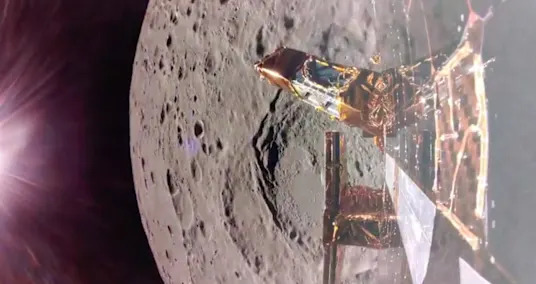
- 21st results from Blue Ghost lunar lander reveal how much we still don't know about the moon
- 3WATCH: IDF strikes, dismantles missile launchers in southern Lebanon
- 4All the eclipses, supermoons, meteor showers and planets to spot in 2026
- 5Vote in favor of your Number one kind of juice



- Make your choice for the music application with the most amicable connection point!
- Bolsonaro says hallucinatory effects of meds made him tamper with ankle tag
- Explainer-Why are hepatitis B vaccines given to newborns?
- Improving as a Pioneer: Examples from My Vocation
- The Specialty of Cleaning up: Change Your Space and Brain
- At least 18 Palestinians killed in latest clashes in Gaza
- Figure out How to Back Your Rooftop Substitution
- Dental Embed Innovation: An Achievement in Helpful Dentistry
- Abbott issues US device correction for some glucose monitors over faulty readings risk


